
Whole House Fan vs. Air Conditioner: Best Choice for Riverside Homes?
 Every summer in Riverside, the same question comes up when the electric bill arrives: is there a smarter way to stay cool? With temperatures that regularly climb past 100°F and some of the hottest days in Southern California, Riverside homeowners are always looking for ways to lower cooling costs without sacrificing comfort. Whole house fans, and QuietCool systems in particular, have become a popular option for homeowners looking to cut down on how hard their air conditioner has to work. But do they actually replace AC, or are they better as a complement to it?
This guide breaks down how whole house fans and central air conditioning compare for Riverside’s specific climate, so you can make the right choice for your home and your budget.
How a Whole House Fan Works
A whole house fan is a ventilation system installed in the ceiling of your home, typically in a central hallway. When it runs, it pulls cooler outdoor air through open windows and pushes hot, stale air up through your attic and out through the attic vents. The fan quickly flushes out hot indoor air and replaces it with fresh outdoor air, often lowering indoor temperatures by several degrees in just minutes.
The key requirement is that the outdoor air needs to be cooler than the air inside your home. In California, that’s typically in the evening, overnight, and in the early morning hours during summer. For Riverside homeowners, this timing aligns well with the local climate, since Riverside is an area that has warm days and cool nights, making it one of the more favorable locations in California for whole house fan use.
How Air Conditioning Works
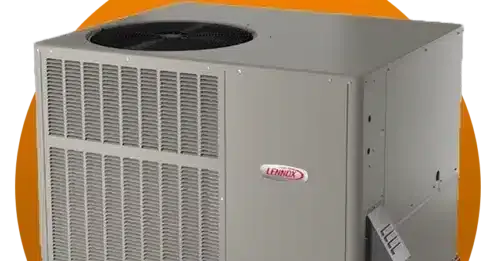
Central air conditioning cools your home through a refrigerant-based system that removes heat from indoor air and exhausts it outside. Unlike a whole house fan, it does not rely on outdoor temperatures and operates in a closed loop, recirculating and cooling the air already inside your home. This means it works on the hottest days of the year, regardless of what the temperature is outside.
The trade-off is energy consumption. A typical mid-size 3-ton AC unit draws around 3,300 watts, compared to a whole house fan running on medium speed that may use as little as 167 watts. That difference adds up quickly over the course of a Riverside summer. Your air conditioning system also handles humidity control in a way that a whole house fan cannot, which matters on days when desert heat combines with unusual moisture.
Comparing Whole House Fan vs. Air Conditioner for Riverside Homes
Energy Use and Cooling Costs
This is where the whole house fan makes the strongest case for itself. According to Whole house fans use up to 90% less energy than compressor-based air conditioners. For Riverside homeowners running central AC through June, July, and August, that is a meaningful difference in monthly operating costs.
QuietCool whole house fans are most effectively used in dry, arid climates like Southern California and can save homeowners in Riverside up to 75 to 90 percent on their air conditioning bill. Running a whole house fan at night to pre-cool the house can also reduce how long your AC needs to run the next day, since cool air absorbed into walls, floors, and furniture takes time to dissipate.
The upfront investment for a QuietCool system is modest relative to the savings. A whole house fan from QuietCool typically runs between $600 and $1,200 for the unit itself, with installation adding several hundred more. During summer months, air conditioning can cost up to $300 per month, meaning a whole house fan can pay for itself in a single cooling season when used strategically.
If you are already looking at ways to stretch your budget on home cooling upgrades, the 2026 HVAC rebates and incentives available to Riverside homeowners are worth reviewing before making any purchase decisions.
Cooling Performance on Hot Days
Here is where the comparison becomes more nuanced. Whole house fans perform very well during Riverside’s spring and fall seasons and during summer evenings. However, these systems are not effective during extremely hot or humid days, because pulling in hot outdoor air through open windows would only make interior conditions worse.
Riverside’s temperatures typically range from 43°F to 94°F over the course of a year, but extreme heat days are not uncommon, and triple-digit temperatures do occur regularly in July and August. On those days, a whole house fan simply cannot do what an air conditioner does. Central AC provides reliable, consistent cooling regardless of outdoor conditions, which is a significant advantage during peak summer heat.
Indoor Air Quality
Whole house fans provide a benefit that air conditioning does not: continuous fresh air exchange. Living inside a sealed, air-conditioned environment can expose you and your family to elevated levels of indoor air pollution, while a natural cooling system fills your home with fresh outdoor air.
A whole house fan also ventilates the attic, which central AC does not address at all. Attic temperatures on summer afternoons in Riverside can reach extreme levels, and that heat radiates down into the living space throughout the evening. By flushing out attic heat, a whole house fan can make your home easier to cool even when you do switch to AC later in the day.
That said, homeowners dealing with allergies or poor outdoor air quality days should weigh this carefully. On high-particulate days, introducing outside air through open windows may not be ideal. If indoor air quality is a concern, pairing your cooling strategy with dedicated indoor air quality solutions is worth considering.
Installation and Maintenance
Central air conditioning systems are more complex to install and maintain. They require refrigerant management, coil cleaning, filter replacement, and annual inspections to stay efficient. Staying current on AC maintenance is especially important in Riverside’s dusty environment, where systems can accumulate debris quickly and strain under heavy seasonal use.
Whole house fans are simpler by comparison. Installation typically involves cutting an opening in the ceiling, mounting the fan unit, and ensuring adequate attic ventilation. Once installed, maintenance is minimal. The systems also have fewer components that can fail, which reduces long-term service costs.
Does a Whole House Fan Replace Air Conditioning in Riverside?
For most Riverside homeowners, a whole house fan is not a full replacement for air conditioning. It is a highly effective supplement that can dramatically reduce how often and how hard your AC runs. The most cost-effective approach combines both systems strategically: use the whole house fan when outdoor conditions are favorable to save on energy costs, then rely on AC when temperatures rise and humidity climbs.
That strategy makes a lot of sense for Riverside’s climate. The evenings tend to cool down enough to make whole house fan use practical for a significant portion of the summer, but midday and early afternoon temperatures during peak months typically require air conditioning for comfortable indoor conditions.
For homeowners in milder parts of Riverside or homes with good shade and insulation, the balance may tip further toward the whole house fan. For homes in the hottest inland pockets of the area, AC remains essential for the peak of summer.
Ready to Explore Your Cooling Options?
If you have been running your AC around the clock every summer and want to find a smarter approach, Dragonfly Heating & Cooling can help. Our team serves Riverside and the surrounding Inland Empire, and we have helped many local homeowners evaluate whether a QuietCool whole house fan installation, an AC upgrade, or a combination of both makes the most sense for their home. We offer honest assessments, upfront pricing, and NATE-certified technicians who know what it takes to stay cool in this climate. Schedule a service appointment or call us at 951-684-0880 to get started.