
Out with the old, in with the fly: Welcome to Dragonfly Heating & Cooling – formerly known as All Pro Air!

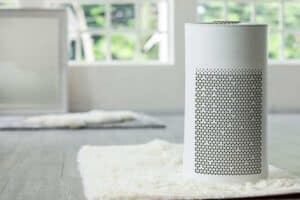
Air purifiers have become essential for Riverside, CA homeowners during wildfire season, as they dramatically improve indoor air quality that’s otherwise compromised by harmful smoke. The right system can make the difference between a home that stays a safe retreat and one where smoke exposure adds up over time. At Dragonfly Heating and Cooling, we help Riverside families choose and maintain the right air purifier system so their homes stay safe, breathable spaces even when conditions outside are far from ideal.
As wildfire season approaches each year, it’s worth recognizing just how much smoke can affect the air inside a home. When wildfires burn nearby, whether in the hills above the Santa Ana River or the foothills near Box Springs Mountain, smoke finds its way into homes, carrying harmful particulate matter and volatile organic compounds. These pollutants are often underestimated, yet they can contribute to respiratory issues, headaches, and other health concerns. Even with windows and doors closed, smoke can seep in through small gaps, putting a household at real risk. This isn’t only an outdoor concern; it directly affects comfort and well-being indoors. In our service calls throughout Riverside, we encourage homeowners to monitor local air quality reports and take early precautions, since installing the right filtration system can significantly improve indoor air quality during these critical periods of the year. Prioritizing indoor air quality is one of the most effective ways to protect a household from the unseen risks posed by wildfire smoke.
Wildfire smoke poses a genuine threat to indoor air quality, making it essential to find the right way to address it. A properly selected air purification system plays a meaningful role in protecting a household’s health during these stretches of poor air quality. These systems remove particulate matter, including soot and ash, that would otherwise reach a household’s lungs. They also reduce allergens by capturing pollen and mold spores, easing respiratory irritation that smoke tends to worsen. Many systems neutralize odors using activated carbon, keeping a home smelling fresh even when smoke lingers outside. And by continuously circulating and cleaning the air, a good system creates a safer indoor environment that supports better sleep and overall well-being. Pairing air purification with periodic indoor air quality testing gives homeowners a clearer picture of what’s actually in their air and how well their system is keeping up.
Choosing the right air purifier means evaluating a handful of features that genuinely affect performance. A true HEPA filter is a good starting point, since these capture at least 99.97% of particles down to 0.3 microns, which is the benchmark worth looking for on any product label. Clean Air Delivery Rate, or CADR, is another important factor, as a higher CADR generally means faster purification for a given room size. Activated carbon filters are worth looking for as well, since they add a layer of odor and gas filtration beyond what a HEPA filter alone provides. Portability matters for households that want to move a unit between rooms, and noise level is worth considering for anyone planning to run a purifier overnight. Ease of filter replacement is another practical consideration that simplifies ongoing upkeep. Working in homes across Riverside, we’ve found that weighing these features together, rather than focusing on just one, is what helps a household land on a purifier that actually keeps up during the heaviest smoke days.
Selecting the right air purifier is only the first step toward strong indoor air quality during wildfire season. Ongoing care is what keeps a system performing the way it should. Filters need to be replaced on a regular schedule, generally at least every three months depending on usage, to maintain effective filtration. Intake and exhaust vents should be checked periodically for obstructions that could restrict airflow, and the unit itself benefits from being kept free of accumulated dust and debris. During peak smoke days, settings may need to be adjusted for maximum filtration. Because a home’s air purifier and HVAC system work together, scheduling professional AC maintenance alongside purifier upkeep helps ensure the entire system, not just one component, is functioning at its best when wildfire smoke rolls through the region. For households considering a more flexible cooling and filtration setup, Dragonfly Heating and Cooling’s ductless AC installation services in Riverside are also worth discussing alongside air purification upgrades.
When smoke from nearby wildfires fills the air, a few additional precautions can make a real difference in protecting a home and the people in it. Keeping windows and doors tightly sealed helps prevent smoke from seeping indoors, and weatherstripping can seal gaps where air might otherwise get in. Running exhaust fans in kitchens and bathrooms helps push stale air out rather than letting it recirculate. Many Riverside households also find it helpful to designate a “clean room,” ideally with a purifier running continuously, as a reliable retreat during heavy smoke days. Based on what we see in Riverside properties, these small, consistent habits make a noticeable difference in how breathable a home stays, even when outdoor conditions are far from clear.
Navigating wildfire season in Riverside means taking indoor air quality seriously, since indoor air can become significantly more polluted than the air outside during heavy smoke events. Choosing the right air purifier and maintaining it consistently goes a long way toward protecting a household’s health and comfort throughout the season. Dragonfly Heating and Cooling is here to help Riverside families build an indoor environment that stays safe and breathable, no matter what the conditions outside look like. If you’d like help selecting or maintaining the right system for your home, schedule a service with our team today.
"*" indicates required fields
