Out with the old, in with the fly: Welcome to Dragonfly Heating & Cooling - formerly known as All Pro Air!

Author: Dragonfly

Benefits and Drawbacks of A Ductless Mini-Split System For Your Home

When it becomes time to invest in a new heating or cooling unit for your home, you may be considering a ductless mini-split system. These unique systems provide homeowners with many different benefits that traditional heating and cooling systems do not. Before you make your decision of whether or not it’s worthy to invest in one for your home, it’s important to assess both its benefits and drawbacks.

CHEAPER THAN INSTALLING DUCTWORK

By far, the biggest benefit of ductless mini-split systems is that they provide a cheaper alternative to installing ductwork in an already constructed home. This makes mini-split systems popular for homeowners living in existing homes that are looking to invest in a whole-home heating or cooling system. Instead of having to invest in both an HVAC professional and a contractor to rip apart existing walls, install the ductwork, and refinish them, you can just invest in an HVAC professional who can install the mini-split system in your already finished home.

ZONE CONTROL

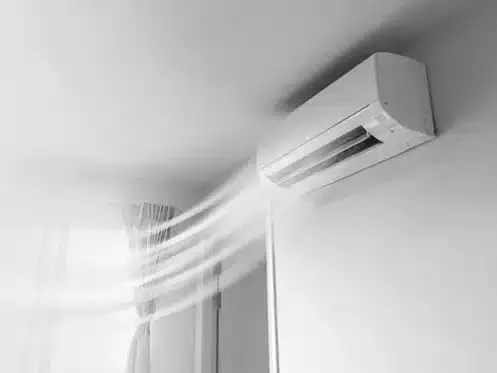
Another great benefit of mini-split systems is that they offer you zone control heating and cooling. Each individual wall-mounted or ceiling-mounted unit comes with its own thermostat. You can adjust that thermostat to whatever temperature you want in that specific room of your home while setting the thermostat on another unit to a different temperature.

When you have this ability to set different temperature zones in your home, it allows you to drastically reduce your energy bills throughout the year. For example, let’s take a look at the summertime. If you spend most of your time at home in your living room, it makes sense to set the thermostat relatively low in the living room and higher throughout the rest of your home. This way, you can relax in the cool comfort of your living room without wasting energy to dramatically cool all the rest of the rooms throughout your home that you’re not using.

THEY BOTH HEAT AND COOL YOUR HOME

One awesome benefit of ductless mini-split systems is that they can work to both heat and cool your home. Instead of having to invest in a furnace and then a centralized air conditioning system, you can purchase a system that does it all. This helps to simplify things like maintenance and repairs as you’re only dealing with one system as opposed to two different ones. It’s also very helpful when it comes to budgeting for future system replacement as you don’t have to worry about replacing two systems. You only have to worry about replacing one system.

PERFECT FOR ADDITIONS

If you’re like most homeowners, you’ll invest in at least one addition to your home. To ensure that the addition is adequately heated or cooled, you would need to run ducting to that addition. Unfortunately, it’s not always as easy as just connecting to existing ducting. Your existing ducting was built to handle the air supply of your existing home. When you start adding on to it, you may notice a decrease in the ability of your heating or cooling system to adequately keep your home at a comfortable temperature.

Ductless mini-split systems provide a great alternative for heating and cooling new additions to your home. Instead of having to worry about hooking onto existing ductwork that could mess with your system’s ability to heat or cool your home, you can simply set up an individual system for that room. All that is needed is a 3-inch hole from the inside of the room to the outside for the refrigerant lines to be run between the indoor unit and the outdoor compressor unit. This makes the construction of your addition much simpler than if you were to be adding ducting into the mix.

NO AIR LOSS DUE TO POOR DUCTING

One of the biggest problems that homeowners end up facing with traditional HVAC systems is air loss through their ducting. This ducting is made of metal material that expands and contracts over time. This natural process of expansion and contraction will force your ductwork to develop unwanted gaps and leaks that can allow air to escape.

In the summertime, you’ll notice that it will take longer for your home to cool because the cold air making its way through your ductwork ends up escaping into your wall cavities. The same holds true for the wintertime, where your warm air ends up in your walls instead of inside your rooms. With a ductless mini-split system, there is no ductwork where air can leak out. All the warmed or cooled air is made right at the indoor unit. Therefore, there is no loss of air and no waste of energy due to that air loss.

CASH IN ON TAX CREDITS AND REBATES

Due to the fact that ductless mini-split units are more energy-efficient than other options on the market, there are many tax credits and rebates that you can take advantage of when you invest in this type of system. Many homeowners cash in on federal, state, and local tax credits. It’s best to speak with your installation professional to learn about the specific tax rebates and credits that are available to you based on the type of system that you’re purchasing for your home.

MORE EXPENSIVE THAN FORCED-AIR SYSTEMS

While ductless mini-split systems have a plethora of benefits for homeowners, they do come along with some drawbacks. The most notable is that they’re about 30% more expensive than traditional forced-air HVAC equipment. This makes ductless mini-split systems an unfavorable option for homes that already have ducting installed for a forced-air system.

POOR AESTHETICS

Another major drawback of ductless mini-split systems is their aesthetic look. Mini-split units feature wall-mounted or ceiling-mounted indoor units. Both of these tend to stick out from the wall or the ceiling and are extremely noticeable to the homeowner. While these units do come with a sleek design and favorable colors to help blend into your home, they still can be easily seen. Compare this to the simple vent of a ducted HVAC system, and it’s pretty obvious that the ducted system is going to be more favorable on the aesthetic front.

MULTIPLE REMOTES

With a traditional forced-air HVAC system, you set the temperature on one thermostat, and it sets the temperature throughout your entire home. When it comes to using a ductless mini-split system, each individual indoor unit has its own thermostat. Most of these thermostats are placed within a remote that can be utilized for setting the temperature on that specific unit. It can be a little bit more confusing when you have multiple remotes for multiple units inside of your home instead of dealing with just one thermostat for your entire home.

PROFESSIONAL DUCTLESS MINI-SPLIT SERVICES

Dragonfly Heating & Cooling offers professional ductless mini-split services for the whole Riverside, CA, region. We’re also here for all of your other heating and cooling needs, including maintenance, installation, and repair. We offer our customers a convenient maintenance plan as well as affordable installation financing on approved credit. Simply contact our office today to get the help that you need!

10 Best Ways To Cut Your AC Costs This Summer

This summer, you can keep your home cool without paying a fortune to the utility provider. However, some effort is required on your part.

Nothing is distressing like feeling like you’re living in a furnace, so most folks crank up their air conditioning when the temperatures go up. The U.S. Energy Information Administration findings show that American homes pay $141 per month between June and August for electricity. In regions with sweltering summers, this figure can be higher.

If you’re looking to cut your costs, this post is for you. Here, we discuss some of the most effective techniques to reduce your AC bills this summer.

1. INCREASE YOUR TEMPERATURE

Adjusting your thermostat just a few degrees higher reduces the effort or energy your AC requires to maintain the appropriate temperature. In general, a lower temperature variance between the interior and exterior will result in a more cost-effective cooling.

Remember that you don’t need to wear a sweater indoors while it’s hot outdoors. Thus, play with your thermostat to determine the highest temperature at which you can still be comfortable. If you always set your home’s temperature at 72 degrees Fahrenheit, consider increasing it to 75 degrees for a few hours and monitor your comfort.

2. INSTALL A SMART THERMOSTAT

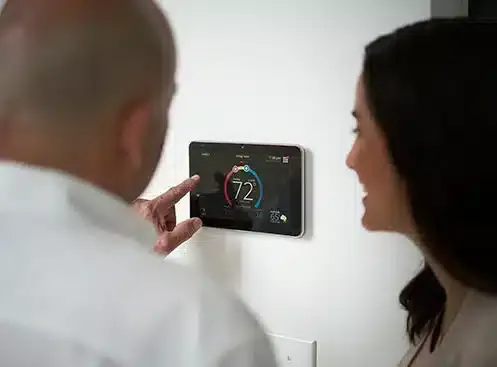
Innovative technology comes with smart features that can considerably contribute to energy savings. For example, smart air conditioners and thermostats enable you to set cycles for your AC. They also allow you to set triggers to regulate a room’s temperature. After reaching the required temperature, your air conditioner turns off, resulting in significant energy savings.

In hot weather, many folks usually forget to regulate their thermostats. They set the thermostat to the lowest level possible and leave it operating all day. According to Energy.gov, reducing the temperature by seven to 10 degrees Fahrenheit for eight hours per day can save annual energy bills by 10%.

A smart thermostat can execute this minor change on its own. It can detect, increase the temperature setting by a few degrees, or entirely turn off the air conditioner. Also, you can set a schedule that allows your AC to raise the temperature a few degrees while you are sleeping and lower it again as you are about to get up.

3. PLACE YOUR THERMOSTAT IN THE PROPER LOCATION

The positioning of your thermostat can have a considerable impact on how your AC operates during the day and, consequently, your monthly air conditioning costs. For example, a wall thermostat that receives heat from your window or door will be triggered to activate more frequently. Putting your thermostat near a cooler location will ensure that your AC does not run longer than necessary.

4. LIMIT THE USE OF HEAT-GENERATING APPLIANCES DURING THE DAY

Numerous laundry and kitchen appliances generate heat, causing your AC to operate more frequently during the day. Use your microwave and grill as much as possible during the summer rather than your stove top and oven to conserve electricity.

Plan your schedule so that you may operate the oven, dryer, or dishwasher in the evening or early morning as opposed to during the hottest parts of the day. As an AC cools the air, it reduces humidity, so you don’t need to use a separate dehumidifier.

5. ADJUST THE NIGHTTIME TEMPERATURE

It’s usually challenging to fall asleep if the weather is hot, so you may choose to reduce your home’s temperature at night. And because outdoor temperatures often drop as the sun sets, lowering your thermostat a few degrees at night is advisable. To prevent your AC from running all night, program your thermostat to change the temperature after everyone in your home has fallen asleep. For nighttime temperatures, it’s best to precool your bedroom temperature before going to bed and then set your thermostat 2 to 4 degrees higher when you are sleeping.

6. SEAL YOUR WINDOWS TO PREVENT AIR LEAKAGE

Unsealed windows allow air to escape. This implies that your cooled air escapes allowing hot air in. Thus, your AC will exert more effort to chill the space and consistently maintain the desired temperature. Sealing cracks and gaps prevents cold air from escaping through your windows, lowering the need for air conditioning and saving electricity.

Before caulking and sealing your home’s leaks and cracks, you must first discover its openings. Listed below are among the most prevalent causes of leaks and gaps:

  • Plumbing and utility spaces
  • Attic entrances
  • Sagging ceilings
  • Door and window frames
  • Switches and outlets
  • Air ducts
  • Water and fireplace chimneys

7. MAKE USE OF THE SHADE

You can reduce your AC’s load by shading west, east, and south-facing windows. Consider extending roof eaves or installing an awning or trellis to shade windows on the exterior. Add tinted window layers or films to reduce the impacts of radiant heat and ultraviolet light without obstructing the view. Trees planted on the west and south sides of your home can provide shade from the sun’s most intense beams when fully grown.

8. MAINTAIN THE CONDITION OF YOUR AC

Your AC requires routine maintenance for optimal performance. Regularly replacing the air filter is one of the best methods to ensure that your machine operates at peak efficiency. In general, you should replace air filters every two or three months. Still, more regular replacement may be necessary if you often use your air conditioner, have pets, or live in a dusty environment.

A professional maintenance inspection once a year can also keep your air conditioner operating efficiently. Similar to a car oil change, these improvements are necessary to increase the efficiency and longevity of your system. Call [company name] today for an inspection, system tests, and system cleaning.

9. HAVE A CEILING FAN

Fresh air is circulated by ceiling fans, easing the load on your AC. Using ceiling fans is a sure way to improve the energy efficiency of a home. Although they’re considered low-tech, ceiling fans do wonders for cooling rooms. A ceiling fan minimizes a home’s demand for air conditioning, but it can also save up to 40% on electricity bills.

Portable fans are also a viable alternative. You can strategically place them throughout the house or in a room near the windows or doors to maximize ventilation.

Note, however, that there is a distinction between fans and ACs. Fans do not chill the air; however, they make the house feel fresher and colder by moving air (and hence heat) away from the body. With fans consuming only a small portion of power that AC units do, they’re well worth the investment.

GET STARTED TODAY

With summer just around the corner, why wait? Call [company name] today to get started. Our company has been servicing the area since 2010. We are a NCI-certified provider of heating, air conditioning, humidity control, and indoor air quality services. We also provide remodels and new constructions in Riverside, CA and the surrounding communities. Our friendly and NATE-certified technicians are dedicated to providing you with the best services in the areas. Call us today for a free estimate.

11 Benefits of Installing A Programmable Thermostat

Most homeowners are now shifting to Programmable Thermostats to conveniently improve their homes’ comfort level. A programmable thermostat follows a preset schedule to adjust the temperatures in your home, making your house comfortable all year round, regardless of the weather patterns. It also optimizes your heating and cooling unit and makes your home more energy-efficient.

Let’s dive into more in-depth details on the benefits of a WiFi enabled, smart, programmable thermostat for your home.

1. CONSISTENT TEMPERATURE

A programmable thermostat can maintain a consistent and perfect temperature throughout your house. You don’t have to crank up your HVAC unit when the temperature increases dramatically or turn the heat up in the cold season. This programmable device follows a set schedule to keep the temperature at specific levels in your home. You’ll avoid cold or hot spots within your house and feel comfortable when relaxing or working at home.

2. SAVES TIME

You spend less time adjusting a programmable thermostat. You simply program it beforehand on when to change the temperature or when to turn it on or off. When using a manual thermostat, you’ll spend more time setting the desired temperature for different times when you are indoors. When leaving your house, you have to make more adjustments and also readjust once you are back in the house.

It also takes some practice to set the temperature on a manual thermostat. A programmable thermostat eliminates all the time you spend on the wall unit because you set a schedule each season and enjoy the comfort of your home.

3. SAVES MONEY

Combating your heating and cooling costs is probably one of the most significant benefits of installing a programmable thermostat. With energy bills continually rising, finding a way to reduce your usage saves you money. By using a programmable device, you can set your indoor temperature to a level that suits you and your family. You can also customize a schedule that fits your family’s routine or lifestyle to keep temperatures warm or cool while you are indoors.

Depending on your routine, you can schedule six or more temperature changes in a day. You can also schedule temperatures to be higher during extended periods when your family is asleep or away from home, like during a vacation. Turning up your thermostat by about 7 to 10 degrees more than the usual temperature in your home for eight hours every day can lead to a 10% savings on your cooling costs.

4. OPTIMIZES YOUR HVAC UNIT

If you have an old HVAC unit or one that is no longer efficient, pairing it with a programmable thermostat will ensure it works more efficiently. An automated thermostat reduces the workload of your old unit, so it works at its best. This is a smart way of ensuring your appliance can take you through the rest of the season.

Even if you plan on purchasing a new HVAC unit, pairing it with a programmable thermostat will keep your system in top condition. Reducing your air conditioner’s workload also helps minimize wear and tear in the long run, so your unit can last longer.

5. ZONED COOLING AND HEATING

If your home has several climate zones, a programmable thermostat keeps the entire house at the right temperature. Since you have programmable controls, you can customize each area to a specific temperature. You avoid wasting energy running your heating and cooling unit in an empty room.

6. ADVANCED TOOLS AND FEATURES

Some of the new programmable thermostat models come with advanced features. This can include Wi-Fi capabilities and functions that can track local weather patterns and adjust the temperature accordingly. Others can sync with smart devices like your tablet, smartphone, or laptop.

By having a programmable thermostat connected to your house’s network, you can adjust the temperatures in your home while seated on your favorite couch or in your office. This is a significant benefit, especially if you stay somewhere longer than you expect, such as on a business trip or an extended day at work.

7. MORE CONVENIENCE

Before automated thermostats, you had to come home to an uncomfortable temperature and wait until your HVAC unit cooled or warmed your house. The other option was to come home to a heated or cooled house and pay for the extra energy consumed by your system when you were away. With programmable thermostats, you don’t have to keep readjusting the temperatures throughout the day. These programmable devices can do the work on your behalf, which also helps you reduce energy use.

8. IMPROVES YOUR HOME’S EFFICIENCY

Temperature changes in each season make it difficult for homeowners to keep their homes more energy efficient. Using a programmable thermostat will make your house energy-efficient regardless of the season. When you have an efficient home, you can better preserve your systems and utilize the available resources effectively. You will also reduce energy wastage and your overall environmental impact.

9. PROVIDES RELIABLE PRECISION

A programmable thermostat allows you to precisely pinpoint and change temperatures to a level that suits you. Whether it’s during the cold or hot season, every degree you lower or raise your thermostat can save you approximately 2% off your utility bill. Notably, the accuracy of a programmable thermostat only varies by half a degree, while the accuracy of manual units varies within a 5-degree range.

10. TAKE ADVANTAGE OF TIME

A programmable thermostat lets you take advantage of periods within a day and the temperature variations based on specific seasons and the sun’s position. Adjust your cooling schedule when the sun starts to warm up your home during the summer season. During the cold months of the year, minimize the heating power and let the sun’s warmth warm your house. In the winter season, you can increase the heating power of your HVAC unit to keep your loved ones warm and comfortable.

11. PROVIDES SYSTEMS ALERTS

Some modern programmable thermostats come with inbuilt alerts. These devices can tell you when to check or change the air filter to ensure your HVAC unit runs efficiently. Depending on the model you buy, some can even notify you when to check or service different parts of your system so that you can catch issues early.

CALL AN HVAC PROFESSIONAL TO INSTALL A PROGRAMMABLE THERMOSTAT

Pairing a programmable thermostat with your heating and cooling unit can be one of the most cost-efficient investments in your home. You will maintain a comfortable environment in your living space while still making additional energy savings. Whenever you are ready to enjoy the convenience of a programmable thermostat in your home, our certified technicians at Dragonfly Heating & Cooling can install it for you. We can also help you choose the model that suits your family’s needs.

Our technicians are NCI and NATE certified, so they are fully equipped to work on energy-efficient and safe appliances. Since we started operations in 2010, we’ve always put our customers’ needs first by delivering quality services that surpass their expectations. Our knowledgeable and experienced team is here to help keep your home comfortable throughout the year. We offer AC and heating installation, repair, and maintenance. Our team even works on ductless systems in Riverside, CA, and the surrounding area. Call us to book any of our services.

Why Upgrade To An Energy-Efficient HVAC System

We all know it’s essential to take care of the environment and limit our carbon footprint, but this isn’t always feasible for everyone. When the weather cools down, a new and sound HVAC system is often on homeowners’ minds. Keeping warm during the winter and cool in the summer is vital for maintaining good health and comfort. If you want to consider energy efficiency, upgrading your unit can be very beneficial. No matter what type of setup you have now or how tight your budget may be, here are 16 reasons to switch to an energy-efficient HVAC system.

1. BETTER FOR THE ENVIRONMENT

HVAC systems that are energy efficient do not need to consume as much energy, so they contribute less to air pollution. This helps to improve the environment and the air you breathe.

Reducing your carbon footprint is always a good practice. Reducing your emissions is crucial if you think of your entire household as a part of the environment. By switching to an HVAC system that is energy efficient, you’re reducing your carbon footprint and helping the Earth in many ways.

2. REDUCED UTILITY AND MAINTENANCE COSTS

As we all know, utility bills can get pretty hefty, especially in the colder months. With an energy-efficient system, you are less likely to have a high electric bill in the winter. It also cuts your utility costs when running your air conditioner during the hot summer.

Lower energy bills directly correlate to lower maintenance costs, making an energy-efficient HVAC a great choice. It will also prevent frequent breakdowns, so you won’t have to spend money constantly repairing your system. This makes it an excellent pick for those on a tight budget who can’t afford to spend extra money on repairs.

3. IMPROVED INDOOR AIR QUALITY

Installing an energy-efficient air conditioning system will help improve indoor air quality due to reduced energy usage. This is great for anyone suffering from breathing problems or allergies that are often aggravated by poor indoor air.

Air conditioning units that are energy efficient are also designed to keep the air clean and dust-free. This will reduce the risk of dust particles in your breathing space and greatly benefit anyone in your household with allergies or other breathing problems.

4. REDUCED NOISE

An energy-efficient HVAC system is quieter than older models due to its compact design and will not be as loud as blow-heaters, which can be noisy all day long. This will reduce the noise level in your home and make it a much more pleasant place to spend your time.

5. EASY INSTALLATION

Energy-efficient HVAC systems are designed to be quick and easy to install, so you won’t have to pay much for the installation labor. This is excellent news for anyone who doesn’t have a ton of experience with HVAC equipment. These systems are also relatively hassle-free, with more straightforward installation procedures that won’t take too much of your time.

6. ENERGY-EFFICIENT SYSTEMS OUTLAST CONVENTIONAL UNITS

Energy-efficient systems have a longer lifespan than conventional units. After investing to purchase your system, you won’t need to worry about replacing it for many years. This is another huge benefit of upgrading to an energy-efficient HVAC system.

7. INCREASED COMFORT

An energy-efficient air conditioning system will keep your home at an ideal temperature, as it is designed to function at an optimum level. It has a higher cooling capacity and can cool indoor areas much more efficiently. This will make it easier to keep cool during the summer months and warm during the winter when it’s freezing outside.

8. SAFER

An energy-efficient HVAC system is much safer than a traditional unit. It’s designed in a way that reduces the risk of electrical shock and fire as compared to older models. This is great if you have children or pets living with you. Safety is a primary concern for most people, and upgrading to an energy-efficient system can provide peace of mind.

Safety is of the utmost importance, and you should never put yourself in danger by using a faulty unit or one that is not up-to-date. An upgraded unit has more safety features that can help keep you protected from the elements.

9. BETTER RELIABILITY

An energy-efficient HVAC unit is designed to function more reliably and accurately. It is suitable if you are looking for an efficient system that won’t break down as quickly as older models.

10. EASE OF USE

An energy-efficient HVAC system is easier to use than older models. This is great if you struggle with technology or don’t understand how to work HVAC systems. If you’re less tech-savvy, it can be easy to get confused and frustrated when figuring out how to upgrade your unit. An energy-efficient HVAC system is designed to be much more user-friendly.

11. A HIGHER RESALE VALUE FOR YOUR HOME

An energy-efficient HVAC system can increase the value of your home. If you’re planning on selling your house soon, a high-quality, newer HVAC unit is much more appealing than an outdated unit with many problems. An upgraded system will appeal to potential buyers and make it easier for you to sell your house.

12. AESTHETIC VALUE

Going the extra mile to make the space look good can significantly benefit you in other areas of life. An energy-efficient HVAC system is an excellent choice if you want people to admire and love your home. What’s more appealing than a modern, clean-looking system?

A new system can give you the look you’ve been wanting. This is a plus for every homeowner, no matter what the type of home. Having a system that is energy efficient and looks great will improve your overall quality of life.

13. BETTER CONTROL OF THE TEMPERATURE

Temperatures that are easy to control could mean a much healthier home. An upgraded HVAC system will carry better controls and be able to release the right amount of air into all areas of the house, keeping them at optimal temperatures.

14. REMOTE ACCESS

An energy-efficient HVAC system will allow you to control its temperature and heat levels from anywhere in your house by using a remote control. This is a massive benefit for elderly or disabled household members as well as those recovering from an injury.

15. COMPACT AND LIGHTWEIGHT

With a compact, lightweight system, you’ll appreciate not having to put up with a cumbersome unit that takes up space when not in use. The more room you have, the better, so an energy-efficient HVAC system is excellent for those with limited space.

16. AN AFFORDABLE PRICE

The cost of an energy-efficient HVAC system is much cheaper than the costs of older systems. This means you could save a lot of money by choosing a newer model.

In conclusion, a modern, energy-efficient HVAC system is a great investment that helps preserve your overall health. Our savvy technicians at Dragonfly Heating & Cooling will help you upgrade to an energy-efficient system. We also offer heating, and maintenance services. For the best air conditioning in Riverside, CA and the surrounding area, contact our team at Dragonfly Heating & Cooling today.

Pay Attention To SEER Ratings When Choosing An HVAC Unit

Purchasing and installing a new HVAC system can make a significant improvement in your home’s comfort. Before you invest in a new system, though, it’s important to do your research. Ultimately, you want to be sure that the system you purchase provides optimal value for the money you spend. One of the most value-building features of HVAC systems is their efficiency. A more efficient system will help you significantly lower your heating and cooling costs during the system’s lifetime while helping to keep your Riverside home more consistently comfortable. One way to determine the efficiency of your HVAC system, specifically your air conditioner, is to look at the SEER rating of the system.

SEER DEFINED

SEER is an acronym that stands for seasonal energy efficiency ratio. The SEER rating scale ranges from 14 to 25, with many systems falling in the 15 to 18 range. An air conditioner’s SEER rating is calculated by determining its heat-removing capacity and dividing that by the amount of electricity required to remove that volume of heat. At first glance, it may seem odd that an air conditioner is rated based on the heat it removes instead of the cool air it delivers. However, heat removal is an air conditioner’s main job. Using refrigerant, an air conditioner traps heat and then expels that heat outside. Therefore, heat removal, which is measured in BTUs, is an important part of the efficiency calculations for an air conditioner.

MINIMUM SEER RATING

Any new air conditioner sold today has a SEER rating of at least 14. The federal government established the SEER rating system in 1992. At that point, the minimum SEER was only 10. As recently as five years prior to that, the average SEER rating for household systems was below 9. As a consumer, this should instill confidence that any system you select from Dragonfly Heating & Cooling will help you stay comfortable and save money. At the same time, it’s important not to be fooled by marketing gimmicks that make a system with a low rating seem like an advanced system. A smart consumer knows to look at the SEER rating, which is calculated using an objective formula, to make sure they’re truly getting a good value.

COST AND EFFICIENCY

When buying a new system, it’s best to opt for the most efficient system that you can fit into your budget. What savings will you actually realize, though, when you choose a more efficient system? One factor that determines cost savings is the size of your air conditioner. A larger unit from Dragonfly Heating & Cooling will tend to see greater energy savings when you upgrade to a more efficient unit, though the overall difference between sizes is negligible. As a rule of thumb, you will likely see a reduction of 7% in overall energy costs for every higher SEER rating level. Important to note is the expected savings over the unit’s lifetime instead of only the savings you can expect to see in a single year.

A WORD ABOUT AFUE

As a savvy homeowner, it’s important to understand what different HVAC terms mean so that you can make an informed HVAC buying decision. When researching the efficiency of an HVAC system a term that will often appear alongside a SEER rating is something called an AFUE rating. AFUE stands for annual fuel utilization efficiency. This is the rating given to measure the efficiency of furnaces. Unlike a SEER rating, which measures how much heat an air conditioner can remove with a certain amount of energy, an AFUE rating measures how much heat a furnace can produce using a particular amount of energy. If you’re having Dragonfly Heating & Cooling replace your entire HVAC system, you’ll want to pay close attention to both the SEER and AFUE ratings to ensure you get the most efficient system for your home.

DIFFERENT TYPES OF SYSTEMS

In some ways, it can be difficult to compare different air conditioners, even when you know the SEER rating of each system. That’s because different categories of systems offer vastly different efficiencies, meaning that you need to be aware of the various system types to buy a system that best meets your needs. First, you have the standard air conditioner that works alongside a standard furnace. The main way to increase efficiency with a standard air conditioner is to opt for one with a variable-speed fan. You can also select from a variety of air-source heat pumps. Although these typically don’t offer increased efficiency in the summer, they offer much greater efficiency in the winter thanks to the way in which they bring heat into your home. Finally, there are ground-source heat pumps that are, by far, the most efficient and longest-lasting systems available.

YOUR ROLE IN EFFICIENCY

Although the type of system you choose plays a big role in the efficiency you can expect, the day-to-day care of your system can also help improve or harm its efficiency. One great way to improve efficiency is to install and properly use a programmable thermostat. By making sure that your HVAC system isn’t running at full capacity when you’re not home, you can save a large amount of energy over the course of a year. Additionally, you need to make sure to replace your system’s air filter when it’s dirty. Experts recommend checking the state of your air filter at least once per quarter and replacing it as often as necessary. Finally, make sure to schedule regular maintenance with Dragonfly Heating & Cooling to keep your system operating at peak efficiency.

LIFE EXPECTANCY OF A SYSTEM

When purchasing a high-efficiency HVAC system, it’s important to consider the initial investment stretched over the lifetime of the system. If you can’t get a solid return on your investment based on the increased efficiency of the system, it may make sense to opt for a less-expensive system that’s slightly less efficient. One great thing about ground-source heat pumps is that, in addition to being exceptionally efficient, they also last far longer than any other type of HVAC system. Therefore, while the upfront cost for a ground-source heat pump is significant, you’re much more likely to see a return on your investment over the lifetime of the system, assuming that you remain at the home where it’s installed for several years.

NEW OR OLD, WE’VE GOT YOU COVERED

At Dragonfly Heating & Cooling, we take pride in helping our customers select efficient and effective HVAC systems that will keep them comfortable and help them save money. In addition to HVAC installation, we also offer maintenance and repair for both air conditioners and furnaces. We can also install new thermostats to help your existing system operate more efficiently. For over 10 years, people throughout the region have taken advantage of our top-notch customer service and fair prices. That’s one reason why we consistently receive five-star reviews from our customers. With only NATE-certified technicians on staff, you can be confident that we’ll be able to accurately address any home comfort need that you have. To learn more about selecting a new HVAC system, contact us today.

Deciding How Often To Replace Your HVAC Air Filters

Without clean HVAC air filters, your heating, cooling, and ventilation system could be dirty and clogged up all the time. Those filters catch the harmful particles floating around your household. In turn, the HVAC system protects you and your home from all the dust, dirt, pollen, pet dander, mold spores, and other contaminants.

However, your HVAC filters can’t just trap particles forever without getting overly packed with these contaminants; to keep your filters functional and effective, you need to replace them regularly. Every household is unique, though, so you need to consider several variables to determine how often you should switch your filters.

THE TWO MAIN FILTER TYPES

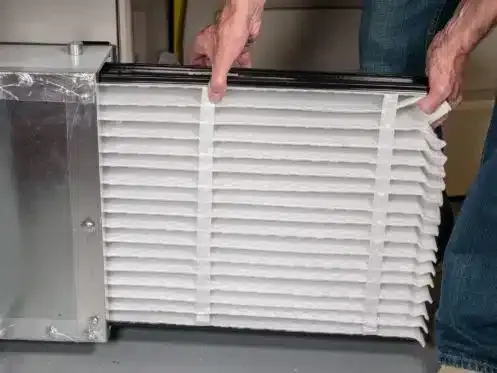
There are two primary types of household HVAC filters, and each one has a recommended baseline for how often you should replace it. Fiberglass filters are the more affordable of the two, but they also tend to be slightly less effective at catching particles. On average, fiberglass filters should be replaced monthly.

Pleated filters are pricier, but you get what you pay for, and they’re impressively efficient at keeping your appliances clean and healthy. Plus, you don’t have to replace them as often; the average lifespan for pleated filters is around three months.

Both types of filters are disposable once you’re finished with them. Remember, the one- and three-month lifespans are baselines; there are several other factors that are dependent on your personal situation that could affect filters’ usefulness.

DIFFERENT GUIDELINES FOR DIFFERENT SEASONS

Although it would be easier if you could replace your filters on the same schedule all year, that isn’t practical. The time of year has a direct impact on how quickly the filters become dirty or clogged. During the mild Riverside spring and fall seasons, you most likely aren’t relying as heavily on your heating or cooling systems. As a result, less air is cycling through your HVAC systems, and fewer particles end up in the filters. During these seasons, you can wait a bit longer than average to replace the filters.

The opposite is true for the harsher summer and winter months. A good rule is that, whenever you’re frequently depending on your HVAC appliances for comfort, be proactive about changing your filters. If you let it go, you may be faced with inevitable and potentially costly air conditioner repairs.

THE SIZE OF YOUR HOME

The overall size of your home impacts your HVAC filters as well. The more square footage you’ve got, the more air your appliances must circulate to distribute hot or cool air to every part of the house. As a result, filters in large homes usually get dirty and need replacing more quickly than the filters in small houses. However, if you’re in a relatively small dwelling, you’ll want to check the size of your HVAC unit; sometimes, smaller homes will be equipped with significantly smaller units. In that case, the filters will be smaller too, and they’ll likely become clogged just as fast as they would in a large home.

PETS MAKE A BIG DIFFERENCE

The more pets you have living in your home, the more frequently you’ll need to switch out your filters. Primarily, this is because of all the pet dander and hair that our furry little friends produce. Lots of those hairs and particles will be cycled through your system consistently. Additionally, if you have dogs or other pets that spend time outside, they’ll regularly track dirt, pollen, mold spores, and other contaminants in from the outdoors.

DEALING WITH ALLERGIES

Do you or anyone else living in your home suffer from allergy symptoms? If so, the presence of dust, pollen, and pet dander will exacerbate those annoying, uncomfortable reactions. If you have allergies and don’t replace your filter frequently, you’ll likely find yourself coughing, sneezing, and scratching constantly.

When allergic reactions are a factor, you probably don’t want to wait until your filters get overly dirty or clogged before replacing them. To ensure that the air circulating through your home is always as clean as possible, be extra proactive about purchasing replacements. New air filters are generally affordable, and your nose and throat will thank you.

BIG CITY LIVING

Unless you’re somehow able to keep your home sealed up tightly 24/7, then the air quality of the area you live in will affect your HVAC filters. If you live somewhere with pervasive pollution, such as a big city or industrial area, far more smoke, dust, and debris will make their way through your household. That increased pollution will result in your filter losing effectiveness more quickly. However, if you live out in the country or somewhere surrounded by trees, the air cycling through your HVAC system is probably cleaner on average.

Wildfires around the country have become more common in recent years, and if you live in an affected area, your filters are probably encountering a fair bit of that smoke. Don’t forget to take this into account when it comes to replacing them.

WHO LIVES IN YOUR HOME?

In many cases, the number of residents in a household will play a role in the HVAC filter lifespans. For example, if you live by yourself and you’re spending eight hours at work each day, your heating and cooling systems likely aren’t working all that hard. In that case, your filters can probably last longer than those in the average home. However, if there are four or five of you and multiple people are usually home at the same time, the odds are that air is getting circulated frequently. That means your HVAC filters are probably working pretty hard and will require more consistent changing.

It’s also important to consider whether or not you have any children in the home. Young children are usually more sensitive to airborne contaminants than adults are. To keep them healthy and comfortable, you’ll want to be extra proactive about keeping your filters clean and efficient.

VISUAL INSPECTIONS ALWAYS HELP

Even when you take all of these factors into account, it will probably take some trial and error to figure out your filter replacement routine. While you’re trying to determine how long your HVAC filters last, visually inspecting them will be a huge help. Whenever you’re in doubt, simply hold the filter up to a light source. If the light passes through the filter, it’s probably still clean enough to be effective. If it doesn’t, though, you should take the safe route and replace it with a new one.

Remember, it’s far better to replace your HVAC filters a little sooner than necessary than it is to wait too long. Having consistently clean filters will save you money, improve your comfort, and keep your system healthy for the long haul.

Since 2010, our team at Dragonfly Heating & Cooling has offered quality heating and cooling services to the Riverside area. We treat all of our customers like family, and we’re dedicated to service, support, and education. We don’t just provide installations and tune-ups; we help you choose the best option for your home and walk you through the entire process. In addition to heating and cooling, our team can assist you with ductless systems and maintenance plans. To learn more about our services, contact us at Dragonfly Heating & Cooling today!

4 Tips For Furnace Care In The New Year

When it comes to your heating system, there’s one rule that holds true: when you take proper care of it, it’s going to reward you with great results. Typically, these great results are going to come in the form of more effective heating, better energy efficiency, and far fewer costly repair jobs. Staying consistent about caring for your appliances can seem daunting, but there’s no reason that keeping your furnace in good shape needs to be stressful or difficult. For the most part, it’s simply about establishing the right habits and paying attention to what your heating system is telling you. With the new year approaching, why not make a commitment to yourself and your household to give your heating system the care and attention it deserves?

1. KEEP UP WITH REGULAR SCHEDULED MAINTENANCE

Your furnace is a finely tuned machine, and it has many different components working hard together to keep you warm. As you would expect, these parts can become worn out or experience malfunctions over years of use. Because of this, it’s completely normal that your heating system is going to gradually lose its effectiveness and efficiency over time, especially if you’ve got the thermostat turned up regularly. The best way to combat this type of decline is with regular professional maintenance.

Generally speaking, you should try to schedule a maintenance visit for your heating system at least once a year. If you haven’t been consistent with it recently, the start of a new year is a great time to get back on track. When you call in a heating technician for maintenance, they will inspect your heater and make any possible adjustments to improve its heating ability. These tweaks will be aimed at keeping you warmer consistently as well as being more energy efficient. This will result in your monthly bills decreasing while your comfort level increases. The heating expert will also look for warning signs of anything that could be wrong with the appliance. In some cases, they’ll find something that they can take preventative measures against. You may even end up saving hundreds of dollars by preventing a major problem before it results in a system breakdown.

2. REPLACE THE AIR FILTER REGULARLY

Before your home’s heater can distribute warm air through your ducts, vents, and into your living room or bedroom, all of that air must first pass through your HVAC filter. That filter has the essential task of catching the dust, pet dander, and other debris that inhabits the air before it goes through your furnace. This ensures that the heated air you end up breathing is as free of pollutants and irritants as possible. However, if you don’t clean or replace the filter on a regular basis, all of those contaminants start to accumulate and clog up the system. This is a major problem for your heating system because it makes it much harder to draw air through the filter. As a result, the amount of strain on your heater will go way up. This will decrease its energy efficiency, shorten its lifespan, and make malfunctions or breakdowns much more likely. It may also have a negative effect on the quality of the air you’re breathing.

To avoid that wasted money and damage to your furnace, all you need to do is make a habit of checking your HVAC filter each month. If the buildup of debris hasn’t gotten too bad, you’ll probably be okay just giving it a thorough cleaning. However, if it’s in bad shape or you’re uncertain, it’s best to go the safe route and replace it with a new filter.

3. GIVE YOUR HEATER REGULAR BREAKS

To keep your heater healthier for the new year, another good habit to get into is giving it regular periods of rest. Just like any appliance or piece of equipment, your heating system is going to become worn down if it’s forced to operate constantly. When you regularly allow those components to rest, you’ll get far better results from the heater when you need to depend on it. One simple way to achieve this is by turning down the thermostat every night when you go to bed. If you’re bundled up under the covers, there’s no reason you should need the heater to be cranked up as high. By simply lowering the temperature five to 10 degrees Fahrenheit for those seven or eight hours each night, you can keep your furnace healthy and lower your monthly bills in the process.

Making use of your home’s curtains is another effective way to take some pressure off of your heater. Windows and glass doors tend to be a major source of heat escaping, but covering them up with curtains actually does a good job of keeping much of that warmth trapped inside. You can take advantage of this by closing all of your curtains in the evening. Typically, the extra heat those curtains trap should allow you to take some of the heating load off of your furnace. On the other hand, keep those curtains open wide when the sun is shining outside. The warmth from the sunlight will help keep you warm and diminish the need to crank up the heater.

4. CLEAN OUT YOUR VENTS CONSISTENTLY

The air vents in your home work together with your heating system to give you a consistent flow of clean, warm air. For this partnership to be effective, though, it’s important that the vents remain clean and clear of clogs. For one thing, excessive dust and debris in those vents will have a directly negative effect on the oxygen that you’re breathing. For your heater, the problem is that those particles of dust and other contaminants can build up in the vents or even work their way into your home’s ductwork. If neglected for long enough, this can result in clogs that prevent your heating system from effectively circulating air. This will have a negative impact on your comfort, your finances, and the health of your heater. Fortunately, all you need to do to avoid this is clean out the air vents each month. Simply remove the protective covers with a screwdriver, and use a vacuum with an extension hose to give each vent a thorough cleaning.

At Dragonfly Heating & Cooling, we have been a trusted supplier of home comfort services for the greater Orange County, CA, area since 2010. Our skilled technicians can provide your household with quality heating, cooling, and ductless mini-split services. Our team takes pride in being professional and experienced, and we always have the best interests of our customers in mind. We select our technicians and comfort specialists not only because they’re highly skilled but also because they share the values and visions that our company stands for. We have been providing the area with great products and services at competitive prices for over a decade, and we will strive to continue doing so for years to come.

Give us a call at Dragonfly Heating & Cooling today for more information about how we can improve your home comfort.

Pertinent Reasons For Frequent Changing of HVAC Filters

The efficiency of your air conditioning system has a lot to do with the state of the air filters it has in place. Over time, the filters in your HVAC system accumulate a lot of dirt, grime, and other impurities that it collects from your home. Dragonfly Heating & Cooling provides you with various factors that will determine how frequently you need to change your HVAC filters in Riverside, CA.

HOW OFTEN SHOULD YOU CHANGE YOUR HVAC FILTERS?

The air that is filtered through your HVAC system eventually comes back into the room. If the filters are not functioning properly, then a lot of impurities that can cause sickness will be spread in your Riverside home. Filters fill up with dust and other debris from the air, and you should change or clean them regularly, depending on your AC system. Those made of paper and cardboard are disposable, but there are others with metal frames that can be cleaned following the manufacturer’s instructions.

Although the packaging of a new AC filter mentions how long it should last, we suggest you take that date as the absolute maximum. The general recommendation is that the air filters in a home should be changed every 30 days if they are the cheaper fiberglass types. Some high-end pleated filters can last up to six months with average use without taking size or type into consideration. However, as a rule, make a point of changing your air filters every 90 days, if not earlier.

The circumstances of the frequency of the requirement for AC filter replacement vary depending on the usage. Filters in vacation houses located in rural areas with few occupants and no pets can last six to 12 months. An ordinary Riverside suburban home that has no pets can have filters changed every 90 days, but 60 days for a home with pets. If you have more than one pet or someone has allergies, then the filter change should be done every 20 to 45 days.

We at Dragonfly Heating & Cooling believe that there is more than just knowing the number of days that it takes for a filter to become obsolete. If you continue to ignore the filter, then it is not the only thing that will stop functioning properly. The dirt that is accumulating in the ducts will degrade other movable parts of the unit and make them run slower. The mechanics of your HVAC system will wear out faster than they would during normal use.

That is not all. Keep reading if you want to understand why Dragonfly Heating & Cooling recommends that you need to frequently change your AC filters.

WHY DO YOU NEED TO CHANGE YOUR HVAC FILTER?

Many people do not have a clue as to the actual function of filters in an HVAC system. Although standard HVAC filters trap dust and other impurities that are sucked into the ducts, they are not meant to purify the air that you breathe. Their main purpose is to protect the HVAC unit from destructive elements in the air that could damage the internal parts of the unit. This way, the unit can perform its intended functions (keeping you cool or warm) perfectly.

Whenever you detect the presence of more pollutants and particles in the air, it is a good idea to upgrade your air filters. During the flu and allergy season or when a nearby construction or home renovation is kicking up more dirt than usual, you need high-efficiency filters. The high-efficiency HVAC filters are designed to eradicate bacteria, allergens, mold, pollen, and even viruses. These kinds of filters, which are commonly known as HEPA (high-energy particulate air filters), need to be changed more often since they trap more debris and get clogged faster.

The things that should influence your decision and help you determine the frequency at which to change your HVAC filters include:

  • If anyone has allergens or asthma
  • The number and type of pets in your home
  • The presence of younger children
  • The number of people in your home
  • The type of AC filter you use
  • The level of indoor air pollution
  • Your rating of indoor air quality

WHAT WOULD HAPPEN IF YOU DON’T CHANGE HVAC FILTERS OFTEN?

Failure to change the HVAC filter will cause it to fail. It will stop filtering air properly, thus allowing dust and other contaminants to enter the unit. The dirt that gets into the system will cover important parts in the system, such as valves and motors. This will lead the HVAC system to draw more power while trying to function normally. Eventually, you will end up spending more on electricity, frequent breakdowns, repairs, and replacements.

High-efficiency filters (HEPA filters) have a finer mesh that captures tinier particles such as dander, pollen, allergens, and mold spores. If these filters are not changed frequently, then the result can be serious mold infestations. The air that goes through your AC system will contain germs, mold, and pollen that is spread throughout the house. This will make people sick. Dragonfly Heating & Cooling technicians always make a point of educating our customers about certain things like these for their well-being.

The essence of having an air conditioning system is to provide a conducive atmosphere for comfortable living or working. Besides allergies, asthmatic attacks, and flu, you might also suffer headaches, fatigue, hypertension, dizziness, sinus congestion, shortness of breath, coughing, and sneezing. Illness and discomfort affect productivity and it is expensive. You might also have to miss work, thus decreasing your income.

HOW DO YOU CHANGE HVAC FILTERS?

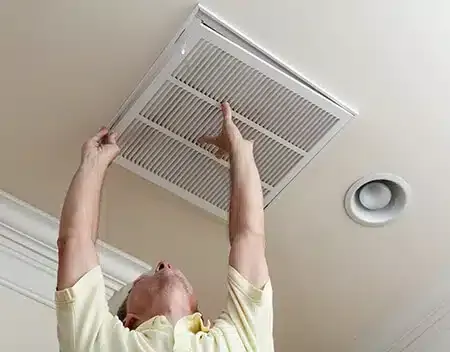
Changing your air filter is a simple process that can be accomplished within a few minutes. The first thing you need to do is turn off the AC unit to find the location of the filter. It is usually at the air handler or a return duct in your basement, utility closet, or attic.

Remove the grille that covers it and take out the fan. You might require a screwdriver to detach an access panel if it is in the air handler. Check the size and type of filter so that you can purchase the right one if you haven’t already. Take out the old filter and replace it with the new one. Return the grille and turn the system back on.

WHAT IS THE LOGIC OF CHANGING HVAC FILTERS?

The expected lifespan of a reliable HVAC system is between 10 to 15 years, and some might slightly go beyond that. That lifespan duration can be shortened by more than five years if regular cleaning or replacing of the AC filters is not done. The cost of replacing and repairing broken parts of your system cannot compare to the minimal cost of air filters. Therefore, changing the filters is more logical than undergoing avoidable circumstances.

If you are a resident of Riverside and require any services related to heating and air conditioning, then Dragonfly Heating & Cooling is the best in the area. We offer high-quality installation, repair, and maintenance of all types of HVAC systems in Riverside and the surrounding area. Our team of expert technicians will help you through the whole process of deciding the best HVAC solution for your family. With NCI and NATE certification, we can provide you with safe, energy efficient, and compatible systems that meet your desired expectations.

Deciding When To Replace Your HVAC System in Riverside, CA

In a perfect world, properly cared-for HVAC systems would simply continue to run efficiently forever. Unfortunately, this just isn’t the reality. Even the most well-maintained heating, ventilation and air conditioning systems will only be able to last for so long before they need to be replaced. However, many homeowners have uncertainty about when exactly is the right time to pull the trigger on having new systems installed. Fortunately, there are certain guidelines and indicators you can use to help you decide whether you should try to get more life out of your HVAC appliances or if now is the time to invest in new ones.

CONSIDER THE TIME OF YEAR

You certainly shouldn’t need to replace your HVAC system every year, so there is not one particular season when it automatically means that you should be getting a new furnace or air conditioner. However, when your HVAC appliances are reaching the end of their lifespans, there are certain times of the year when it would be the wisest to replace them. Typically, for furnaces, the best time of year is the fall, while for air conditioners, the best time is the spring. Your Riverside home will most likely experience the harshest weather conditions during the winter and summer months, so it can be very beneficial to have new HVAC appliances during those times of the year.

Usually, furnaces and air conditioners will be at their most effective and efficient when they are brand new. This means that if you purchase a new furnace in the autumn, you should have reliable heating all winter long, and if you purchase a new air conditioner in the spring, you should be able to stay nice and cool during the hot summer. That being said, you only want to pull the trigger on replacing your HVAC systems if they meet some of the criteria that we cover below.

THE AGE OF THE APPLIANCE

In most cases, if any of your HVAC systems are more than 10 years old, you should be thinking about replacing them soon. There are exceptions to this, and if you’ve taken good care of your appliances and kept up with regular maintenance, it’s not uncommon for a furnace or air conditioner to last closer to 15 years. However, if you’re past the decade mark, and your HVAC systems start to show symptoms of problems or decreased efficiency, you should at the very least bring in a professional technician to take a look. If you go with one of our skilled experts at Dragonfly Heating & Cooling, they will be able to diagnose the appliance and let you know whether or not it’s a good time to replace the unit. If it is, they will be able to perform the installation for you in a timely and affordable manner.

DOES THE APPLIANCE NEED REGULAR REPAIRS?

When one of your HVAC systems is reaching the end of its lifespan, there’s a good chance it’s going to start experiencing problems more and more often. If you have recently started needing to pay for repair jobs regularly, or your furnace or air conditioner has started having the same issues pop up repeatedly, it’s likely time to have it replaced. In most cases, if the appliance is on the older side, these problems will just continue to get worse. Investing in a new system will actually save you money in the long run.

HVAC SYSTEMS BREAKING DOWN

In many cases, homeowners will see a major breakdown of their furnace or air conditioner as the catalyst for having the appliance replaced. Often, this is a wise time to make such a decision. If one of your HVAC systems has broken down, we advise that you bring in one of our trained technicians to assess the situation. Sometimes, especially with older appliances, deploying the fixes necessary and replacing major parts can be quite expensive. It might not be worth it when weighed against the price of having a new unit installed instead. If this is the case, our team members will let you know, and you can make an informed decision based on your personal situation.

PERFORMANCE OF YOUR HVAC SYSTEM

One of the most common and obvious signs that your HVAC system needs to be replaced is that it begins struggling to do its job effectively. The Riverside summers can get quite toasty, and after a fun day out enjoying the area, you need to be able to count on your air conditioner to keep you cool. Similarly, in the wintertime, you need to be able to trust your furnace to consistently keep your household warm. When your HVAC appliance is near the end of its rope, it will begin working harder to do its job. This will result in your monthly energy bills rising as well as the appliance itself accumulating wear and tear at a faster rate, causing problems or breakdowns to become more likely occurrences.

If you’ve noticed that you seem to have less control over your home’s climate or your monthly bills have started to go up inexplicably, there’s a very real chance that one of your HVAC appliances needs to be replaced. It’s wise to not procrastinate in this situation. Bringing out a knowledgeable technician sooner rather than later can ultimately save you a lot of money and hassle.

STRANGE NOISES OR SMELLS

In some cases, the symptoms that something is wrong with your furnace or air conditioner can be very obvious and come in the form of unusual odors or loud noises. If you’re suddenly hearing sounds or noticing smells coming from one of your HVAC appliances, it’s almost certainly indicative of a problem. It doesn’t necessarily mean that the unit needs to be replaced, but it does mean that you should have it checked out by a professional at the very least.

INDOOR AIR QUALITY

Many people are unaware that their HVAC systems can have a direct impact on the quality of their indoor air. When a furnace or air conditioner is getting old or experiencing a problem, it has to put more effort into circulating warm or cool air throughout your household. Because of this, it becomes significantly more likely that particles of dust, dirt and other debris will be kicked up into the air. This can cause respiratory problems or allergy flare-ups, and the situation should not be ignored. If you’ve noticed that these irritants have become more common throughout your home, it could very well mean that one of your HVAC appliances needs to be either repaired or replaced.

Our team at Dragonfly Heating & Cooling has been faithfully serving Riverside and the surrounding areas since 2010. We’re committed to providing excellent customer service and high-quality work to every one of our customers. Our skilled technicians share the same values and vision that our company stands for, and they are never satisfied until the client is satisfied. We offer a full slate of HVAC services. In addition to heating and air conditioning maintenance, repair and installation, we also perform top-quality ductless ventilation work in the Greater Riverside area. You can count on our friendly team to do a thorough, high-quality job with any of your HVAC needs.

Make sure you treat your home’s HVAC systems with the respect they deserve. Give us a call at Dragonfly Heating & Cooling today to schedule an appointment with one of our highly-trained experts.

Schedule Service

"*" indicates required fields

This field is for validation purposes and should be left unchanged.
Are you a new customer?*

By clicking “Send Message”, I am providing express written consent to receive autodialed and pre-recorded calls, texts, and SMS/MMS with marketing communications from Dragonfly Heating and Cooling regarding home services at the phone number provided above, even if the number is on a corporate, state, or national Do Not Call list. Consent is not a condition to purchase services or products.